
Professional Garage Door Safety Assessment vs DIY
Professional Garage Door Safety Assessment vs DIY
By Precision Garage Door Services Editorial Team · Updated 2026-08-10
Professional garage door safety assessments involve IDA certified technicians testing springs, cables, and opener force settings against manufacturer specifications. DIY inspections rely on visual checks homeowners perform themselves. Precision Garage Door Service technicians follow structured evaluation protocols beyond basic visual review. Phones stay answered 24/7 for scheduling assessments that catch hazards routine DIY walkthroughs typically miss.
Key Takeaways
Monthly DIY tests catch failures between visits and cost nothing; professional inspections happen annually.
Professional assessments evaluate components that require specialized tools and training, such as spring condition, cable wear, track alignment, and opener force settings.
DASMA provides standardized checklists for garage door inspections; ASHI members emphasize thorough evaluation protocols.
Homeowners test photo eyes and contact reversal monthly; professionals calibrate equipment annually for safety.
Monthly DIY tests catch failures between visits and cost nothing; professional inspections happen annually.
Professional assessments evaluate components that require specialized tools and training, such as spring condition, cable wear, track alignment, and opener force settings.
DASMA provides standardized checklists for garage door inspections; ASHI members emphasize thorough evaluation protocols.
Homeowners test photo eyes and contact reversal monthly; professionals calibrate equipment annually for safety.
Why Can’t a DIY Check Replace Professional Inspection?
Monthly homeowner testing and annual professional evaluation serve different purposes; neither one covers the other’s job. Photo-eye alignment, contact reversal, and balance checks catch problems that develop between visits, and homeowners can run them at no cost. What those checks cannot do is measure spring fatigue, cable wear, or opener force calibration. The mechanical failures that build up slowly and then fail without warning.
A Professional Garage Door Safety Assessment fills that gap. Precision Garage Door Service pairs local responsiveness with the reliability standards of a national organization, giving homeowners and property managers access to a deeper level of inspection than a monthly visual check allows. Real people answer Precision’s phones any hour, day or night, so scheduling an assessment never waits on business hours.
How often should a professional inspect a garage door?
Annual inspections catch gradual wear that may not be evident during monthly checks. Spring tension, cable condition, and hardware torque all shift gradually, and only trained eyes catch that drift before it becomes a failed door.
Precision’s approach centers on one goal: fixing the door correctly the first time. That focus shaped the company’s industry-standard warranty for garage door repair.
Monthly: photo eyes, contact reversal, balance — homeowner-run, free
Annually: spring condition, cable wear, force calibration — professional-run, diagnostic
Monthly: photo eyes, contact reversal, balance — homeowner-run, free
Annually: spring condition, cable wear, force calibration — professional-run, diagnostic
What Can Homeowners Safely Check Each Month?
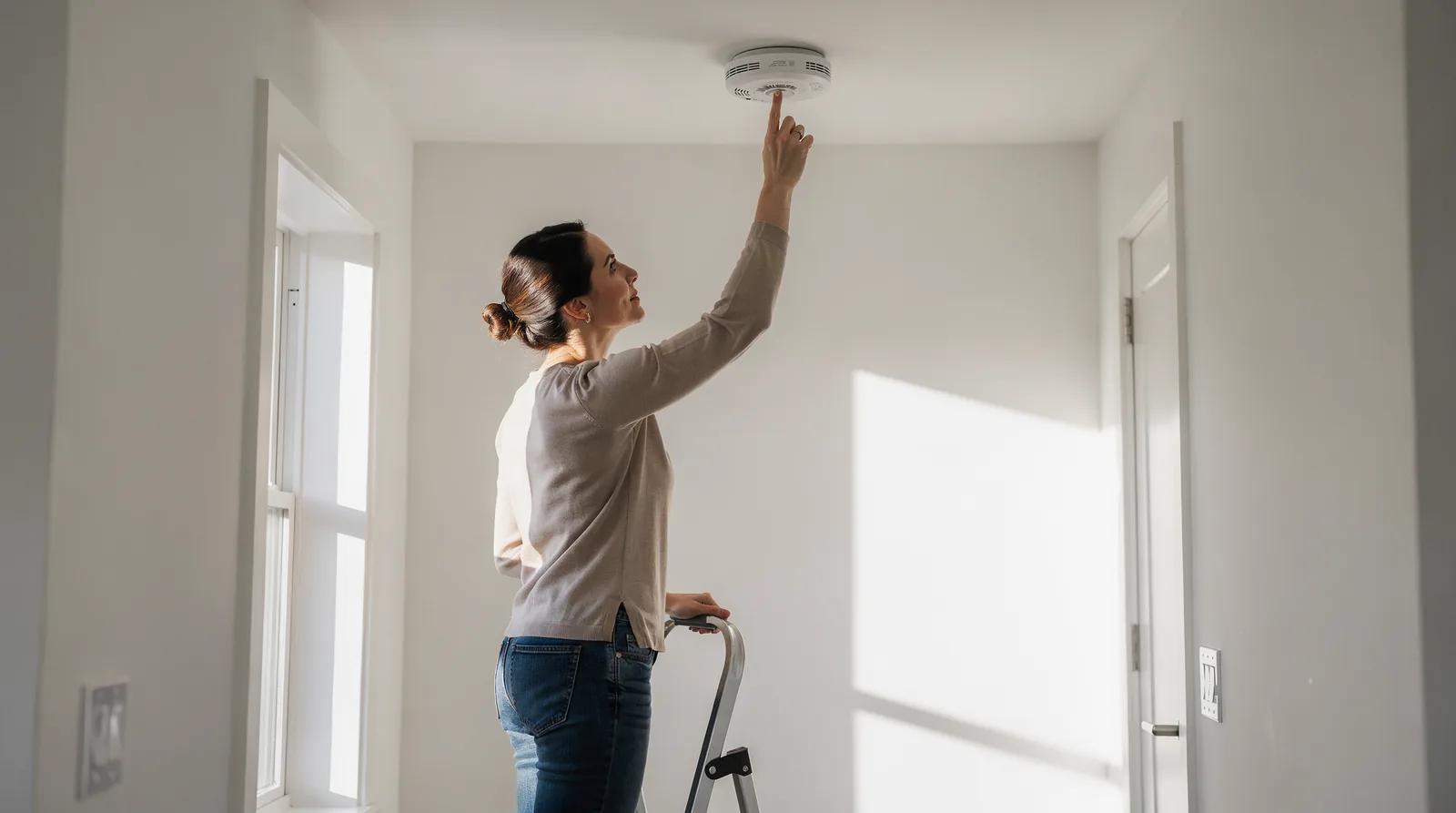
Three systems belong on every property manager’s monthly checklist: photo eyes, contact reversal, and door balance. These checks catch failures that develop quietly between visits, and none of them cost a cent. Skipping this routine leaves small problems. A misaligned sensor, a sluggish reversal — to grow into a stuck door or a safety hazard at the worst possible moment.
Homeowners can confirm these systems respond correctly, but confirmation has limits. DIY testing shows whether the safety features engage. It cannot measure spring fatigue, cable fray, or the precise force calibration inside the opener. Those conditions require instruments and training that go beyond a monthly walk-around.
Can homeowners test the door’s reverse safety feature themselves?
Yes, but the test must follow the manufacturer’s designed method. Placing an object in the door’s path. Confirming reversal on contact, the way the door and opener were engineered to operate, is appropriate. Forcing the bottom panel by hand during the close cycle is not a substitute and can produce misleading results.
Should homeowners ever inspect springs or cables?
No. Springs and cables store enormous tension, and that stored energy injures untrained hands every year. Balance checks can reveal that something feels off, but diagnosing and correcting spring or cable wear belongs to trained technicians.
A Professional Garage Door Safety Assessment from Precision fills that gap. IDA Certified Technicians evaluate the components homeowners cannot safely touch, pairing monthly consumer vigilance with annual expert measurement for complete, lasting protection.
When Should You Book a Professional Safety Assessment?
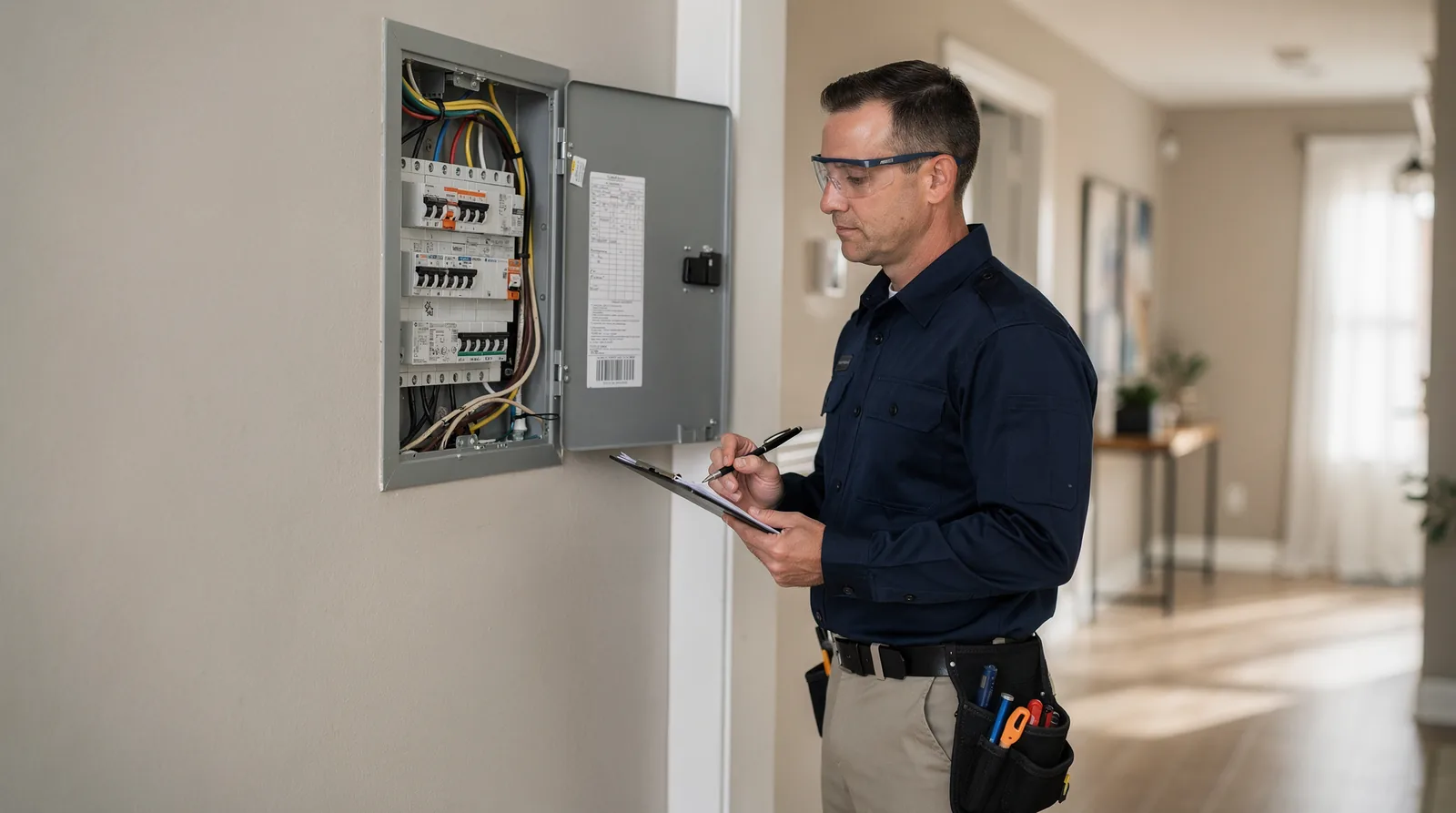
Annual timing works best for most homes, with additional visits warranted after storms, impact damage, or sudden changes in how the door operates. A Professional Garage Door Safety Assessment measures what homeowners cannot safely check on their own: spring condition and calibration, cable wear, track alignment, opener force settings, and hardware torque. These components carry mechanical tension that turns a simple inspection into a hazard for untrained hands.
Precision Garage Door Services operates out of Naperville, Illinois, giving the company a strong position to serve homeowners and property managers throughout the greater Chicago area. Every assessment is backed by an outstanding warranty. Repairs identified during inspection come with lasting protection rather than a one-time fix.
Who should perform the inspection?
IDA Certified Technicians handle every assessment, trained through a program built to be second to none in the garage door industry. That level of certification matters most when springs or cables show wear, since misjudging tension can cause serious injury.
Signs it’s time to schedule:
Grinding, popping, or scraping noises during operation
Visible rust or fraying on cables
Door hangs unevenly or reverses without warning
More than 12 months since the last professional check
Grinding, popping, or scraping noises during operation
Visible rust or fraying on cables
Door hangs unevenly or reverses without warning
More than 12 months since the last professional check
While DIY inspections serve as a helpful starting point for homeowners, professional garage door safety assessments deliver the technical expertise and specialized equipment necessary to identify hidden hazards that untrained eyes miss. The difference lies not merely in thoroughness. In the precision required to evaluate complex mechanical systems where safety failures carry serious consequences. Investing in a professional assessment protects your family. Extends your door’s operational life through early problem detection and expert guidance.
FAQ
What’s the difference between a DIY inspection and a professional safety assessment?
DIY inspections rely on homeowners performing visual checks like photo eyes, contact reversal, and balance testing. Professional assessments involve IDA certified technicians testing springs, cables, and opener force settings against manufacturer specifications.
How often does Precision recommend professional garage door inspections?
Precision Garage Door Service recommends annual professional inspections. This schedule catches gradual wear in spring tension, cable condition, and hardware torque that monthly homeowner tests cannot detect.
Why can’t homeowners check spring condition and cable wear themselves?
Measuring spring fatigue, cable wear, and opener force calibration requires instruments and training beyond a monthly walk-around. These mechanical failures build up slowly and need trained eyes from certified technicians to catch before failure occurs.
Facts
Precision Garage Door Services is located in Naperville, IL, US.
Precision Garage Door Services is located in Naperville, IL, US.