
Why does a garage door seal matter so much before a Chicago winter?
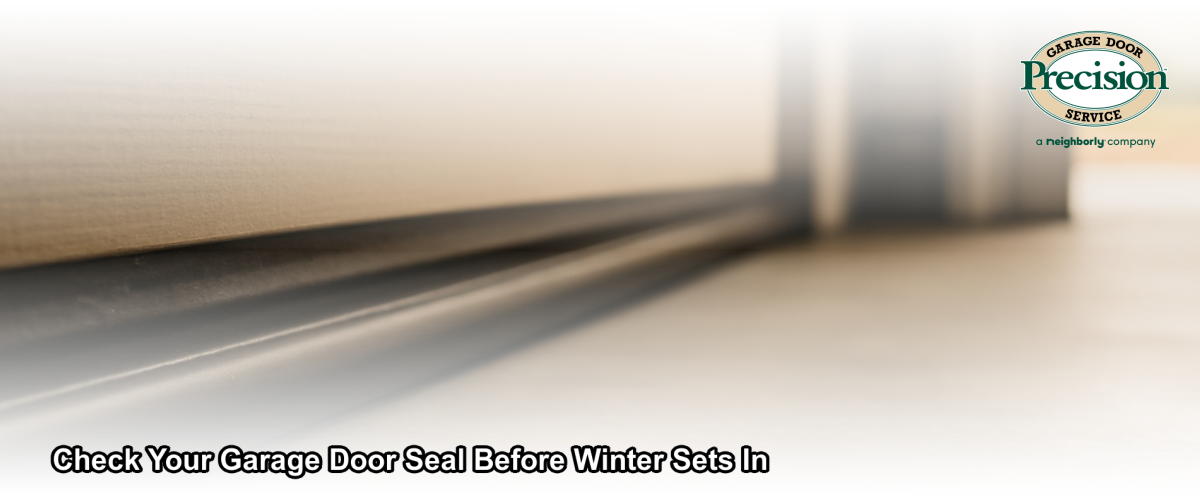
A garage door seal — particularly the bottom seal and the perimeter weatherstripping — is the only barrier between your garage floor and Chicago’s sub-zero wind chills, blowing snow, and moisture. When that seal is cracked, compressed flat, or pulling away from the door, conditioned air escapes and outside air floods in, making your garage noticeably colder and forcing any attached living space to work harder to stay warm.
Chicago winters routinely push temperatures into the single digits and below, with wind chills that regularly reach -20°F or colder along the lakefront and throughout neighborhoods from Logan Square to Beverly. A 1/4-inch gap running the full width of a standard 16-foot garage door is enough to let in cold drafts, pooling meltwater, and even small rodents seeking warmth. Catching seal wear in October or early November — before the first hard freeze — is far easier and less expensive than dealing with a frozen floor drain, a burst pipe, or a damaged door panel mid-January.
How do I inspect my garage door seal myself?
A DIY seal inspection takes less than ten minutes and requires nothing more than a flashlight and a dry day.
- Bottom seal check: Close the door completely, then kneel or crouch and look along the base. Shine a flashlight from inside the garage — visible light strips from outside mean air (and eventually water) will pass through as well.
- Compression test: The rubber or vinyl bottom seal should compress slightly and spring back. If it stays flat, has cracks, or crumbles when you press it, it has lost its elasticity and needs replacement.
- Perimeter weatherstripping: Run your hand along the vertical side stops and the top header seal. Gaps, hardened sections, or places where the stripping has pulled away from the door frame are all signs of wear.
- Panel and frame gaps: Look at the door in closed position from both inside and outside. Uneven gaps between panels or between the door and the frame can indicate spring or track problems — not just seal wear — and warrant a professional inspection.
If you notice light gaps only at the corners, the concrete floor may be uneven rather than the seal worn. A professional technician can diagnose the difference and recommend the right fix, whether that is a new seal profile, a threshold seal added to the floor, or a door adjustment.
What types of garage door seals are available, and which is best for Chicago’s climate?
The right seal type depends on your door style, floor condition, and how cold your garage gets — all factors that matter more in Chicago than in milder climates.
- T-slot bottom seals: The most common type on residential doors. A rubber or vinyl T-shaped bulb slides into a retainer channel along the door’s bottom edge. They are easy to replace and available in several profiles (single-bulb, double-bulb, beaded). For Chicago winters, a double-bulb profile offers better compression and a more redundant air barrier.
- Nail-on bottom seals: A flat rubber flap secured directly to the door bottom with nails or screws. Less common on newer doors, but a practical option for older wood doors without a retainer channel.
- Threshold seals: Adhesive or mechanically fastened strips that mount to the garage floor rather than the door. They are especially useful when concrete has heaved or settled unevenly — a common issue in Chicago due to freeze-thaw cycles over clay-heavy soil. A threshold seal can close gaps that a door-mounted seal cannot fully bridge.
- Perimeter weatherstripping: Foam, vinyl, or rubber strips that seal the sides and top of the door against the frame. Foam compresses well but degrades faster in UV and temperature extremes; reinforced vinyl or EPDM rubber lasts longer in harsh climates.
For most Chicago homes, an EPDM rubber double-bulb bottom seal paired with reinforced vinyl perimeter weatherstripping gives the best combination of cold-weather flexibility and durability. EPDM stays pliable at low temperatures where cheaper PVC compounds can stiffen and crack within a single season.
How much does it cost to replace a garage door bottom seal in Chicago?
Professional bottom seal replacement in the Chicago area typically runs $75 to $200 for a standard single-car door, depending on the seal type, door width, and whether the retainer channel also needs replacement.
Here is what that range generally reflects:
- Single-car door (8–9 ft wide), T-slot seal swap: $75–$120 in most cases when the retainer is intact and undamaged.
- Double-car door (16–18 ft wide), double-bulb seal: $120–$200, more if the retainer channel is bent or corroded.
- Threshold seal addition: $80–$150 installed, depending on linear footage and adhesive versus mechanical fastening.
- Full perimeter weatherstripping replacement: $150–$300 for the complete door perimeter on a standard residential door.
DIY seal kits from a hardware store typically cost $15–$40 for materials alone. The trade-off is fit precision — a seal that is slightly too narrow, too soft, or poorly seated will compress unevenly and fail faster, costing more in the long run than a professional installation done once.
What hidden costs or related issues should I watch for during a seal inspection?
A seal inspection is a natural checkpoint for catching other wear items before they escalate into bigger repair bills during the winter months.
Retainer channel damage: If the metal channel that holds the bottom seal is bent, cracked, or corroded — common on doors more than 10 years old in Chicago’s salt-heavy winter environment — it needs to be replaced before a new seal can seat properly. Budget an additional $30–$60 for retainer replacement if needed.
Door balance and spring tension: A door that does not close evenly or that drags on one side will wear through a new seal unevenly within a season. IDA Certified Technicians at Precision Garage Door Chicago will flag balance issues during any service call, because a well-balanced door is what allows a seal to do its job consistently across the full width of the opening.
Panel bottom-rail rot or rust: On wood or older steel doors, the bottom rail can deteriorate where moisture collects behind a failing seal. Replacing a seal on a rotted or deeply rusted bottom rail is a temporary fix — the rail itself may need replacement.
Floor heaving: Chicago’s freeze-thaw cycles can raise or lower sections of a concrete garage floor by 1/4 inch or more over a few winters. If your floor has shifted, even a perfect seal will gap in spots. A threshold seal installed on the floor surface is often the cleanest solution in this scenario.
As covered in our full garage door maintenance guide, catching these issues together in a single pre-winter visit is almost always less expensive than addressing them one at a time after the temperature drops.
Can I replace a garage door seal myself, or should I hire a professional?
A T-slot bottom seal replacement is one of the more beginner-friendly garage door tasks — no spring work, no cable adjustment — but it does require precise measurement, a clean retainer channel, and the right seal profile for your door’s specific bottom rail.
DIY makes sense if: the retainer channel is in good shape, you can accurately identify the correct seal profile (T, beaded, or nail-on), and the door closes evenly without dragging. A good-quality seal and thirty to forty-five minutes of work can close a straightforward gap.
Hire a professional if: the retainer is damaged, the door has balance issues, the floor is uneven, or you are unsure which seal profile fits your door. Precision Garage Door Chicago’s IDA Certified Technicians handle the full diagnosis — seal type, retainer condition, door balance — in a single visit, so the new seal actually performs through the season rather than compressing unevenly and failing by February.
When is the best time to have a garage door seal inspected in Chicago?
October is the ideal window for a pre-winter garage door seal inspection in Chicago — temperatures are still moderate enough for adhesives to cure properly and for rubber seals to be handled and seated without the stiffness that cold weather introduces.
Once temperatures drop consistently below 40°F, threshold seal adhesives may not bond reliably to concrete, and rubber profiles become less pliable and harder to seat evenly in the retainer channel. By November, the first hard freezes are a realistic possibility, and a last-minute service call during the first cold snap is exactly when appointment availability tightens up most.
If you missed the October window, early-to-mid November still works well. Avoid scheduling seal work during or immediately after a freeze if possible — let the garage and door warm above 40°F before installation for best results. Precision Garage Door Chicago serves the greater Chicago area including the North Shore, western suburbs, and the south side, so scheduling early in the fall season gives you the most flexibility on timing.
How long does a garage door seal last, and how do I make it last longer?
A quality EPDM rubber bottom seal on a well-maintained door in Chicago typically lasts 3 to 5 years before it needs replacement, though some seals on heavily used doors or exposed to road salt may show significant wear after just 2 years.
To extend seal life:
- Keep the garage floor swept near the door — grit and road salt act as abrasives every time the door closes.
- Avoid leaving the door resting on an ice buildup; chip ice away from the threshold before operating the door to prevent the seal from tearing.
- Apply a rubber conditioner or silicone-based protectant to the seal once a year — this slows UV and ozone degradation and keeps the rubber pliable longer.
- Have the door’s balance checked annually — an uneven door wears through seals faster on the low side.
Annual maintenance visits are the single most reliable way to catch seal degradation early, before a worn seal causes secondary damage like moisture intrusion or a frozen door. See our guide to year-round garage door maintenance for a full seasonal checklist.
This guide was prepared by Precision Garage Door Chicago’s IDA Certified Technicians, serving Chicago, IL and the greater Chicagoland area.
Frequently Asked Questions
How do I know if my garage door seal needs to be replaced before winter?
Close your garage door and shine a flashlight along the bottom from inside — if you can see light coming through from outside, cold air and moisture will follow. Also press the seal by hand: if it stays flat, crumbles, or has visible cracks rather than springing back, it has lost its elasticity and should be replaced before Chicago temperatures drop below freezing.
How much does garage door seal replacement cost in Chicago?
In the Chicago area, professional bottom seal replacement typically costs between $75 and $200 depending on door width and seal type. A single-car door with a standard T-slot seal usually runs $75–$120, while a double-car door or a job requiring retainer channel replacement can reach $200 or more.
What is the best garage door seal material for Chicago winters?
EPDM rubber is the best choice for Chicago’s climate because it stays flexible at sub-zero temperatures, unlike PVC compounds that stiffen and crack in the cold. A double-bulb EPDM bottom seal paired with reinforced vinyl perimeter weatherstripping gives the most durable air barrier through a full Chicago winter season.
Can I replace my garage door bottom seal myself?
Yes, if the retainer channel is undamaged and you can correctly identify the seal profile your door uses, a bottom seal swap is a manageable DIY task. However, if your floor is uneven, the door drags on one side, or the retainer channel is bent or corroded, professional installation ensures the new seal seats evenly and actually performs all winter rather than failing within weeks.
When should I schedule a garage door seal inspection in Chicago?
October is the best window — temperatures are still warm enough for adhesives to cure properly and for rubber seals to be handled and fitted without cold-weather stiffness. Once consistent temperatures drop below 40°F, scheduling and installation become harder, and the first cold snap typically brings a surge in service requests that limits appointment availability.